
Track 8: Heartbeat (feat. anaiis) — Pierre Kwenders
For Chayka, human curators allow us to break out of the blandness of algorithmic culture. Librarians have long acted as links between readers and books, suggesting novels one might enjoy reading for leisure. Could they do the same for music?
On a sunny Friday morning, I return to the fourth floor of the Grande bibliothèque for the first time in twenty years. I notice a new dedicated music room called the Pavilion, with instruments patrons can play, vinyl players and a collection of antique gramophones. Clearly I’m not the only one on a nostalgia kick.
I ask the staff where I might be able to get music suggestions and, after some confusion (“He wants to suggest music for our collection?”), they send me down a few floors to a librarian. It feels vulnerable to expose my taste to another human, but I overcome my initial jitters and ask for something similar to French-Malian singer Aya Nakamura, “something queer or queer-friendly you could dance to.”
This is clearly an unusual request, but my librarian is a good sport. We get into it, chatting about various artists as we Google them (“he’s very queer, she just played a great set at the Francos festival, I think you might like their style”). I feel a rush of quiet exhilaration. This stranger is taking time out of his day to suggest music to me. I’m reminded that readers’ advisory is a conversation, not a top-down prescriptive process of feeding one piece of “content” after the next. It feels refreshingly human. I walk away with a little slip of paper.
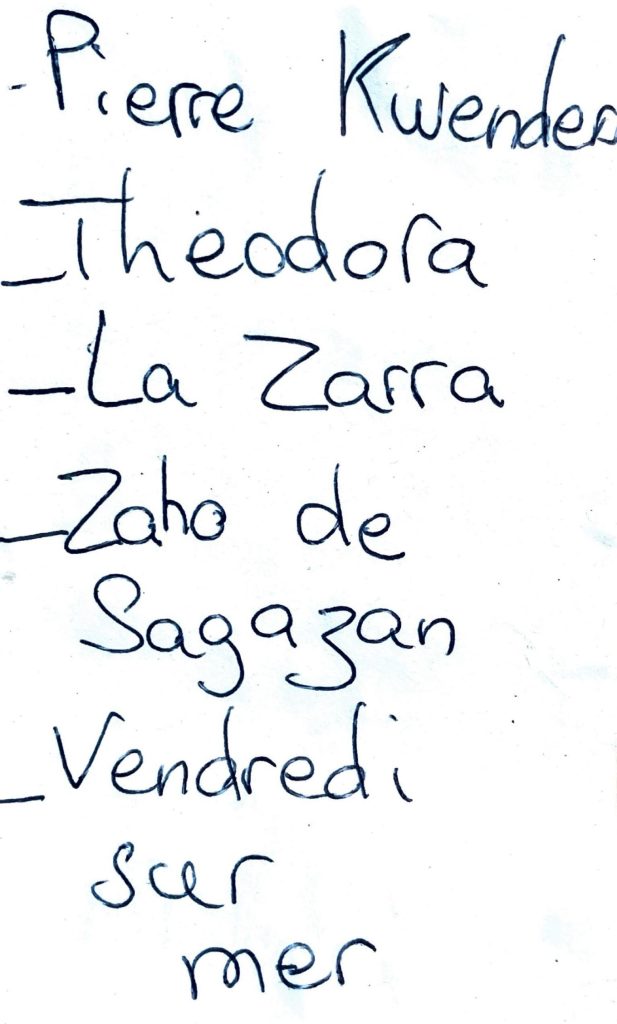
The library has a vinyl by one of them, Pierre Kwenders, a queer Montrealer from the Congo who blends African styles with Western pop, electronic and hip hop. I book one of the vinyl players for an hour, sit in a comfy chair and drop the needle on the edge of the record. The music starts.
The experience is full of friction: physically going to the library, asking for recommendations, flipping the record halfway. But it’s this effort that imbues the music with meaning. It’s a stark contrast to Spotify executives’ grotesque vision for “self-driving music,” the idea that the app would be reduced to a single play button. No decision, no friction, just an algorithm.
When the record ends, I’m left with the soft crackle of the needle at the center of the vinyl — and a choice about what to listen to next.
